
01
Connect Instagram
One tap, using Meta’s official login. No passwords, no risky workarounds.
LConnected

@luxe.hair.studio
Instagram · Business
login by meta · read + reply to dms
Your clients don’t book on your website anymore. They DM you. Margo answers, books them in and follows up, 24/7.
Works with Instagram · Official Meta API · Free plan forever
See it in action
A client asks a price at 11pm. Margo answers from your menu, offers times you’re actually free, confirms the booking and sends a reminder before the visit.
jess.mariee
Replying as @luxe.hair.studio
hiii how much is balayage? any spots this saturday? 🙏
Hey Jess! Balayage starts at $180 and takes about 3 hrs ✨ Saturday I have:
1:30 please!!
✓Appointment confirmed
Balayage · Sat 1:30 PM
with Ana · Luxe Hair Studio · $180
You’re all set 💛 I’ll send a reminder Friday.
11pm
when most booking questions arrive, and Margo is awake for them
3 taps
service, day, time — the whole booking, inside the DM
30 days
three bookings or your next month is free
The shift
New clients don’t find you, open your website and fill in a booking form. They see your reel, tap your profile and send a DM. Your Instagram inbox is now your front desk, and it needs someone at it.
Then
Now
Your clients DM at 11pm. You reply at 9am. By then they’ve booked somewhere else.
You can’t answer DMs mid-appointment. Margo can. She sits at your new reception 24/7 and turns every “how much?” into a booking.
How it works
One tap, using Meta’s official login. No passwords, no risky workarounds.
@luxe.hair.studio
Instagram · Business
login by meta · read + reply to dms
She reads your bio, posts, highlights and website, then drafts your services, prices and FAQ.
reading bio · posts · highlights · website
Connect your calendar, review what Margo wrote, and flip the switch. She takes it from there.
Margo is answering
Live · replying in about 4 seconds
Features
Without the salary, the sick days, or the messages nobody got to.
Prices, timings, parking, patch tests — whatever you’ve told her. If it isn’t in your menu or policies, she won’t make it up.
Tap a service, tap a time, done. No link, no form, no “fill this in”.
Someone comments “PRICE” on a reel. Margo replies under the post, then picks it up in their DMs.
A reminder the day before and two hours before, with one tap to move the time. Most no-shows are people who forgot, not people who don’t care.
Happy clients get a Google link after the visit. Unhappy ones reach you privately first.
Margo needs you
Refund request from @nina.r
Refunds, complaints, anything unusual — the conversation goes to you, with a note about why.
Growth
Bookings are the point, but the same inbox can grow your following and your email list. Margo does that part too, so you don’t need a second tool for it.
Tracked links
Every link Margo sends is tracked. See what got opened, by how many people, and who — right down to the client who clicked at midnight.
@luxe.hair.studio
Link in bio
One page for your bio: services with prices, a book button that opens a DM, and an email sign-up. Your address, your SEO, no badge on paid plans.
Growth gate
Ask for the follow, or an email, before Margo hands over the price list. Both are optional, per link.
Keyword replies
Someone DMs “PRICES” and gets your list back instantly. Story replies work the same way.
Follow-ups
If a link goes unopened, Margo follows up once. If they clicked, replied or booked, she stays quiet.
Broadcasts
A cancellation at 3pm, a new service, a quiet Tuesday. Margo messages the people Instagram still allows you to message, paced so your account stays safe.
Everyone who messages you lands in your contacts, with the emails Margo collected. Export them as a CSV, send them to Google Sheets, or download a file ready for a Meta Ads custom audience.
Connectors
A barbershop, a med spa and a creator don’t get the same questions, so Margo shouldn’t give the same answers. Connectors add industry-specific skills to Margo, and they work right inside the Instagram DM.
Style picker · in the DM
yo what cuts do you do? 💈
Here’s our menu. Tap one to book 👇
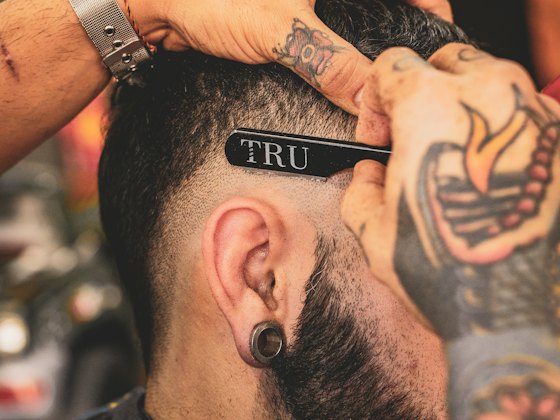
Skin fade
$35 · 45 min
Book this
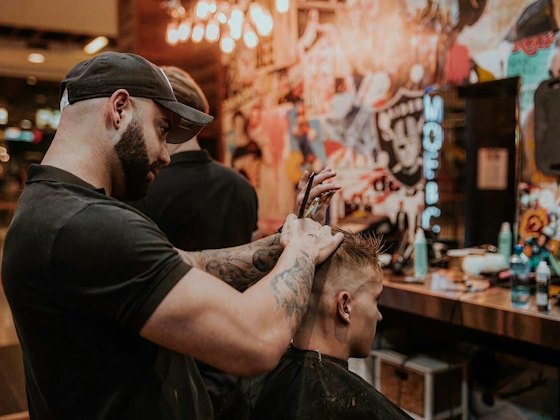
Taper
$30 · 30 min
Book this
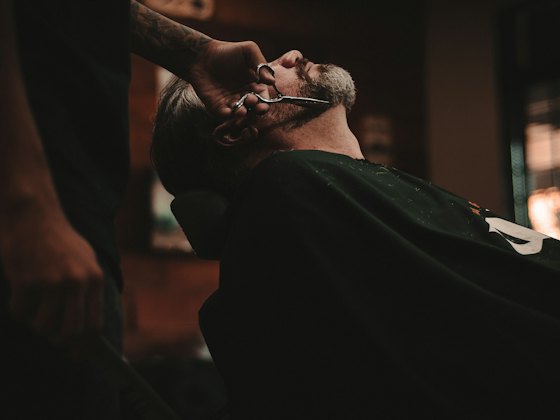
Beard trim
$20 · 20 min
Book this
Every tap tells Margo the exact service, length and price, so the booking is right the first time.
Clients swipe through your cuts, tap one, and Margo books the right service and time.
Let regulars choose their barber and see only that barber’s open chairs.
Margo shares the live wait and holds a spot in line from the DM.
Clients send a photo of their hair and their inspo. Margo returns a price range and books the consult.
Books the patch test 48 hours ahead and blocks color bookings until it’s done.
Routes each request to the stylist who specializes in it, with their own price.
Collects intake answers and consent before the visit, so clients don’t fill in forms at the front desk.
Answers treatment questions from your own approved content, with before-and-after examples.
Takes a deposit to secure high-value bookings and cut no-shows.
Classic, hybrid or volume: clients pick a set from photos with prices and times.
Nudges each client at the right refill window, with open slots ready to tap.
Sends your aftercare guide after every appointment and answers follow-up questions.
Collects placement, size, color and reference images, then sends the brief to the right artist.
Shows available flash designs with prices. Clients claim one and book on the spot.
Takes the deposit after the artist approves, and releases the date if it isn’t paid.
Shows this week’s classes and spots left. Clients reserve a spot from the DM.
Books a first class for new people and follows up afterwards with a membership offer.
Explains your plans and sends a checkout link for the one that fits.
A keyword in a comment, story reply or DM hands over your freebie, course or paid link — after a follow or an email, if you ask for one.
Margo spots collab DMs, asks for budget, deliverables and dates, sends your rate card, and flags the serious ones for you.
Consults, coaching calls and portfolio reviews, offered and booked without leaving the inbox.
Asks your qualifying questions first, then offers only the slots you keep open for new enquiries.
Explains what’s in each package and what it costs, then books the kickoff call.
Collects goals, history and timing before the first session, so you start warm instead of cold.
Don’t see your industry? Tell us what you need when you join, and we’ll build it with you.
Margo books into your existing calendar. No need to switch systems.
Instagram · Margo connects through Meta’s official API
The weekly receipt
Other tools brag about “DMs sent.” Margo tells you what actually matters: appointments booked, revenue recovered, and how many came in after hours.
Start freeBooked by Margo this week
$1,380
14 appointments · 9 after hours
Example receipt for illustration
Built for
If people book your time, buy your work or ask “how much?” in your inbox, Margo can run it — from a salon chair to a treatment room, a studio, a van, or the DMs you answer between takes.
Beauty & grooming
Health & wellness
Fitness & coaching
Studios & creators
Services & trades
Not on the list? Margo works from your own services, prices and answers, so “something else” is a real choice during setup.
Why Margo
Pricing
Every plan has the whole product. You only pay for how many people Margo talks to. No card to start, cancel anytime.
See Margo answer and book your first clients.
$0/month
For salons, coaches and most creators.
$29$19/month
Launch price
For comment campaigns and busy studios.
$79/month
A conversation is one person Margo replies to in a month, however many messages it takes, shared across your accounts. More than 5 Instagram accounts? Talk to us.
The Margo guarantee. If Margo doesn’t book 3 appointments in your first 30 days, your next month is free.
Yes. Margo uses Meta’s official Instagram API, the same one approved partners use. We never ask for your password, and Margo automatically paces messages to stay well within Instagram’s limits.
Margo is warm and writes in your tone, but she’s upfront if someone asks. When a conversation needs a human, she hands it to you instantly with a push notification.
At launch: Google Calendar, Cal.com and Calendly. Square Appointments, Vagaro and Fresha are next. Tell us what you use and we’ll prioritize it.
If Margo doesn’t book at least 3 appointments in your first 30 days on a paid plan, your next month is on us. No forms, no fine print.
One person Margo replies to in a calendar month, however many messages it takes. Someone who asks about prices, picks a time and books is one conversation. Your count starts again on the 1st.
Your clients never notice. Margo keeps answering and booking with her built-in replies, and people she’s already talking to carry on as normal. You get a heads-up at 80% and again at 100%, and you can upgrade any time.
No. Margo books into the calendar you already use. If a client would rather book on your website or by phone, that still works exactly as it does today.
A Business or Creator account, which is free to switch to in the Instagram app. It takes about a minute, and we’ll walk you through it during setup.
Always. Every answer, price and flow Margo drafts is yours to review and change, and you can take over any conversation at any time.
Now. Sign up free, connect your Instagram and Margo starts answering — most studios are live in about a minute. Instagram is still rolling our access out account by account, so if yours isn’t enabled yet we’ll take your handle and come back to you quickly.
Get started
Connect your Instagram, check the services Margo drafts from your profile, and it starts answering. Free plan forever, and Pro is $19 while we’re new.
Already have an account? Sign in